What types of documents can AI read?+
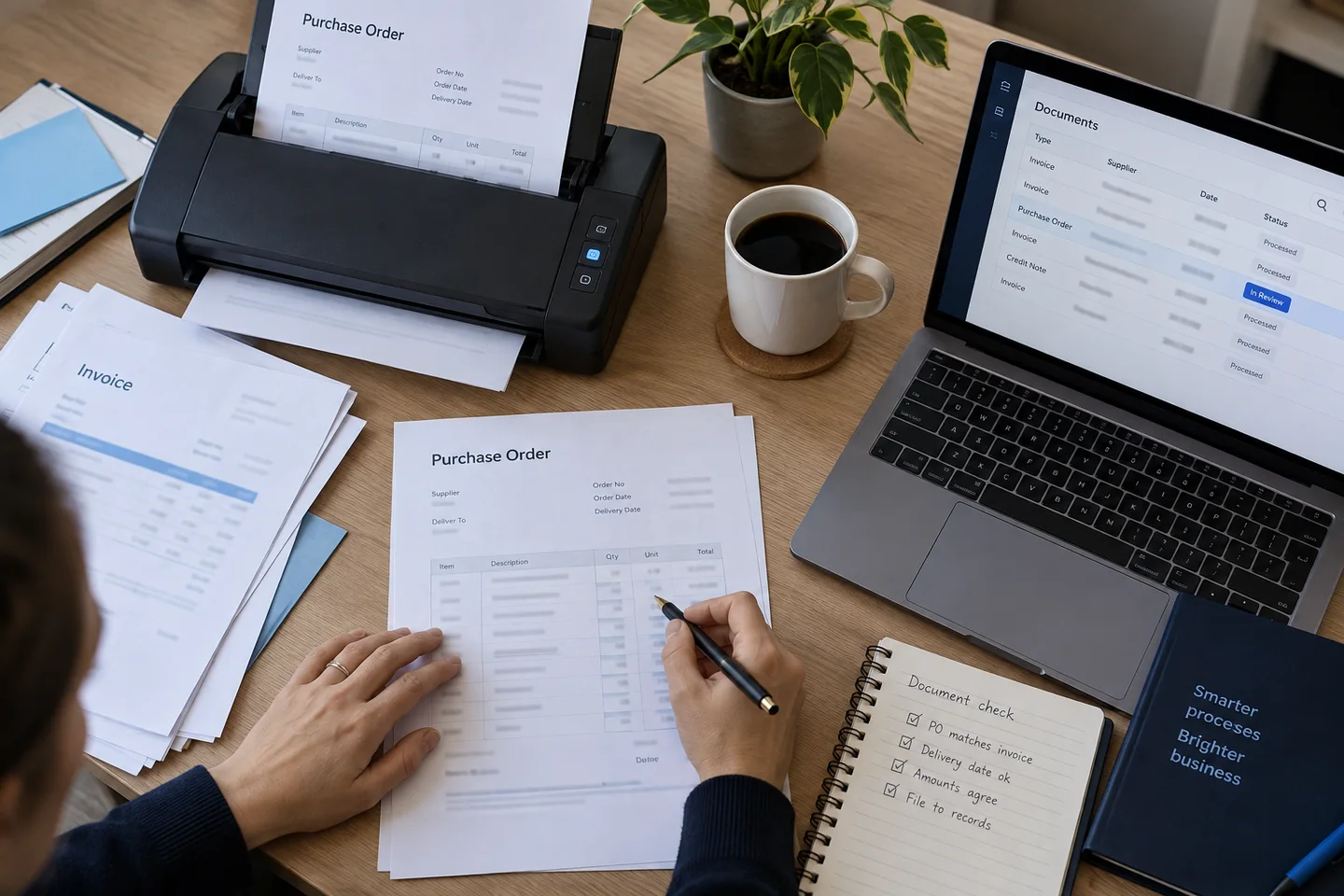
Invoices, purchase orders, delivery notes, technical specifications, engineering drawings, material certs, quotations, and more. If it's a structured or semi-structured document, AI can extract data from it.
How accurate is the data extraction?+
Accuracy depends on the documents, the source data and what counts as a correct match. We test against a representative sample before promising a threshold. Every extraction includes a confidence score, and anything below the agreed threshold is flagged for a human check.
Can it handle handwritten documents or poor scans?+
Modern AI handles most scanned documents well. Handwriting recognition is improving but works best with printed or typed documents. We'll assess your specific documents during the audit and be honest about what will and won't work.
Where does the extracted data go?+
Wherever you need it, Sage, Xero, your ERP, a spreadsheet, your job management system. We connect the extraction pipeline to your existing tools so data flows automatically.
Can it read technical drawings and engineering specs?+
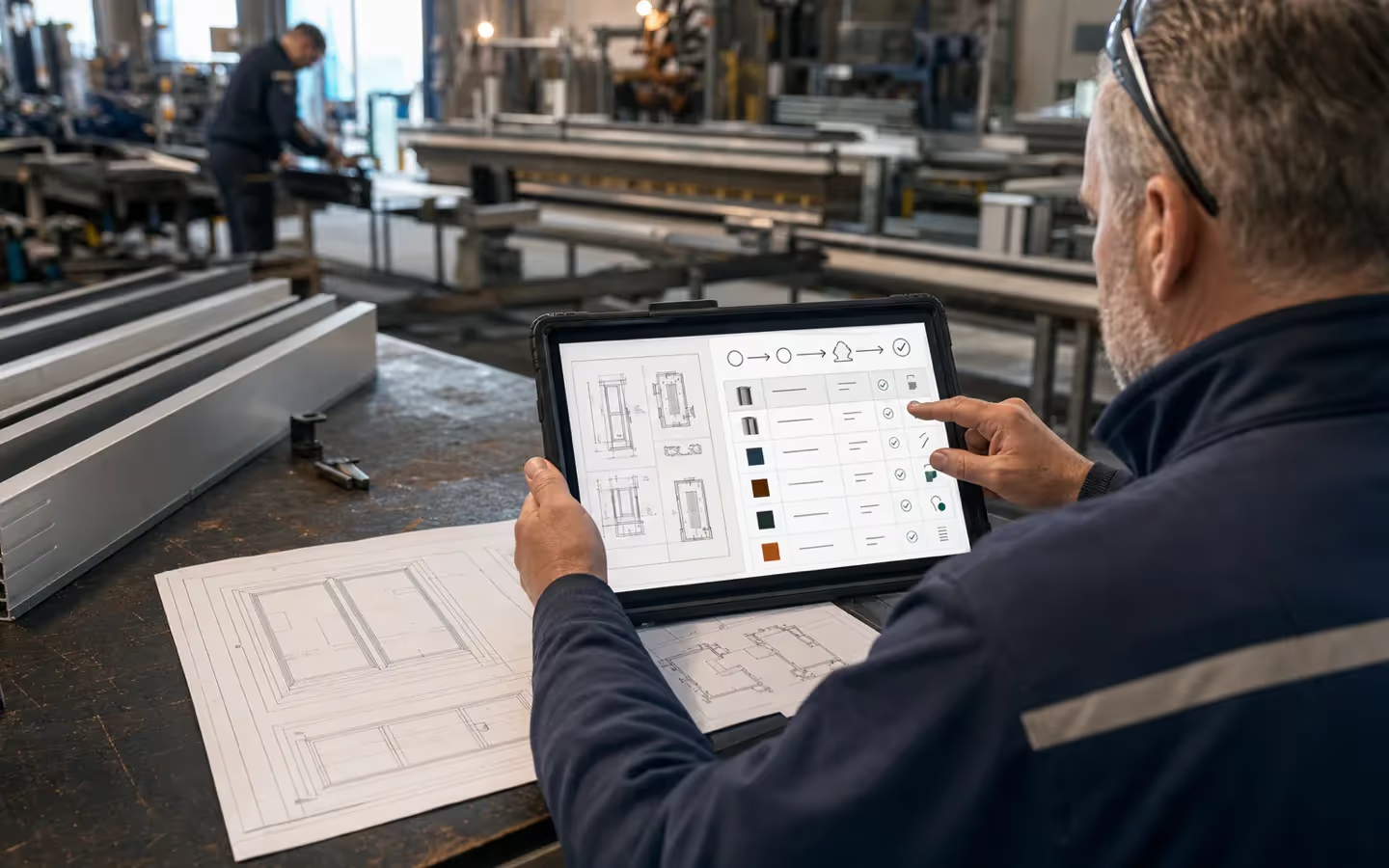
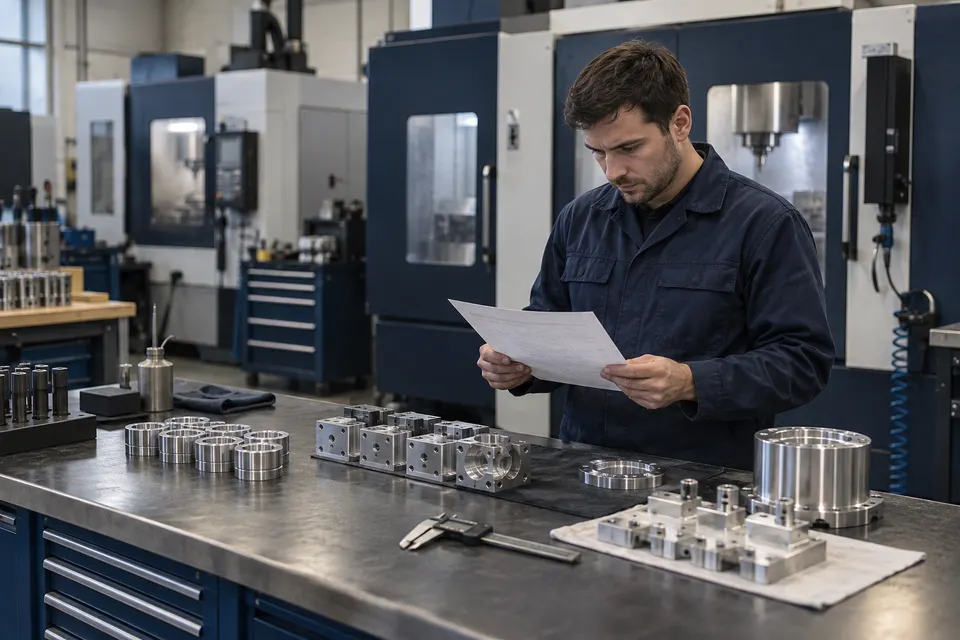
Yes. AI can extract data from technical drawings, CAD exports, material specifications, and engineering documents. This is especially valuable for manufacturing and fabrication businesses dealing with large volumes of specs.
How long does it take to set up?+
A focused pipeline for one document type can be live in 2 to 3 weeks. More complex setups covering multiple document types typically take 4 to 8 weeks.
Is our data safe?+
We agree access, processing locations, retention and provider data-use terms before connecting documents. Start by describing the document type; we can arrange a suitable way to share representative samples after reviewing their sensitivity.
What happens when the AI gets something wrong?+
We validate extracted fields against agreed rules and route uncertain or conflicting results to a person. AI can also be confidently wrong, so we test representative samples and audit results after launch. Corrections inform deliberate improvements; learning is not automatic.
Can you give me a real example?+
We built an invoice verification system for a manufacturing client. Supplier invoices arrive as PDFs, the AI reads every line item and automatically matches it against the original purchase order using a 3-pass matching algorithm. Discrepancies in quantity, price, or totals are flagged instantly. What used to take 15-30 minutes per invoice now takes seconds. We also built a system that reads technical cutting list PDFs and automatically generates paint notes for the powder coating supplier, extracting hundreds of profile specifications, categorising them, calculating linear metres, and flagging items that shouldn't be coated.